Côte d’Ivoire: Interrogations et supputations après le décès du premier ministre Hamed Bakayoko

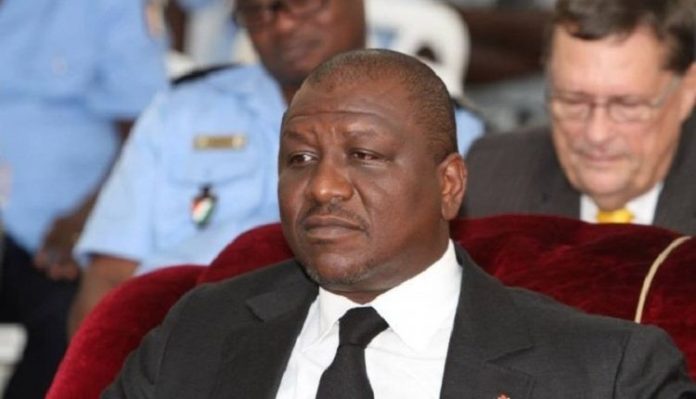
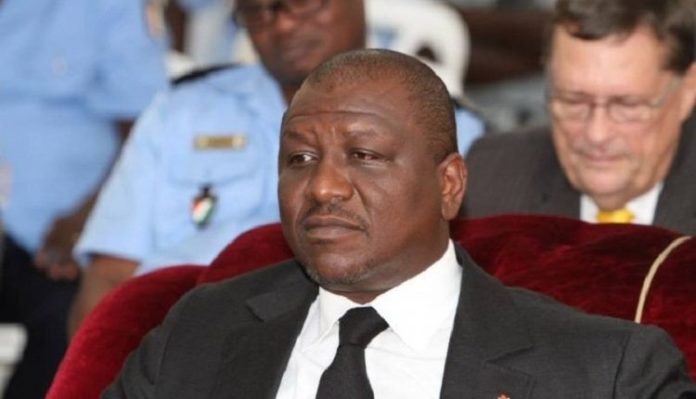
On Wednesday, March 10, 2021, the news hit like a ton of bricks! A statement from the presidency announced the death in Germany of Prime Minister Hamed Bakayoko. Although the seriousness of his illness was no longer in doubt, following his hospitalization in France and Germany, no one wanted this premature end for the man many considered the “Golden Boy” of Ivorian politics. And for several reasons!
Firstly, the late prime minister had an engaging personality and was highly regarded by Ivorians. He was one of the few men in power who had access to the leadership of several opposition parties.
Secondly, no one wanted to consider the political consequences of such a man’s sudden death. Eight months earlier, a shockwave had already swept across the country with the unexpected passing of Prime Minister Amadou Gon Coulibaly, the RHDP candidate in the presidential election of October 31, 2020. His death had reshuffled the deck and led President Ouattara to reverse his decision not to seek a third term. This sparked a wave of protests and all sorts of speculation, to the point of pushing the main opposition candidates to withdraw from the electoral process. Only one opposition candidate remained in the race, and the election would ultimately take place. President Ouattara was declared the winner with 94% of the vote and a 53.9% turnout.

But since then, the country had experienced a gradual easing of tensions.
On March 6, 2021, legislative elections, in which all the major opposition parties participated, took place peacefully and without major incidents. The RHDP, the presidential party, was declared the winner with 137 seats compared to 91 for the opposition. Everything seemed to be going well for Côte d’Ivoire, and recovery was anticipated on the political, social, and economic fronts.
The sudden death of Prime Minister Bakayoko has plunged the country back into uncertainty for some time. Once again, and in less than a year, the political landscape is about to be reshaped. President Ouattara is expected to make several key decisions regarding changes at the highest levels of government. Who will he appoint to replace Hamed Bakayoko as Prime Minister? And, more importantly, who will he choose for the Vice-Presidential post, which has been vacant for several months? This decision will be closely scrutinized by the opposition and many observers because, according to the Ivorian constitution, the Vice-President assumes the interim presidency in the event of a vacancy. He is therefore the constitutional successor to the Head of State.
But some of the regime’s most ardent opponents are wasting no time! They launched their attack even before the body was returned to Abidjan. Speculation is rife, and social media is flooded with misinformation, all aimed at extracting maximum political capital from the sudden death of a man seen as a potential successor to President Alassane Ouattara.
Some are questioning the cause of death and pointing out that this is the second such case in less than a year. They therefore suspect a hidden hand at work, attempting to seize power at any cost. However, they forget that, ultimately, it is the government itself that emerges severely weakened from the loss of its most competitive and capable leaders. In their eagerness to sow discord within the presidential camp, they neglect to ask the question any reasonable person would ask: “But who actually benefits from this?”
Certainly not to the one to whom the deceased had sworn unwavering loyalty and support. And if only they had also read the book written by Pierre Accoce and Pierre Rentchnick, “These Sick People Who Govern Us,” they would have understood that it is not uncommon for a leader to fall ill or die without it necessarily being the result of a criminal act.
For others, it’s about raising the specter of a curse supposedly afflicting those close to the head of state, and first and foremost anyone who dares to aspire to the presidency. They’re playing a macabre game to make people believe that several figures in the regime are so ill they’re doomed. This is how a wild rumor spread online that the interim prime minister, Patrick Achi, had also been evacuated to France due to illness.
The information was repeated endlessly, to the point that the person in question was forced to publish a denial on their official page. Other prominent figures in the RHDP party, such as the grande dame Henriette Diabaté, were also cited as being ill or having succumbed to an illness. This macabre game eventually backfired on those who perpetrated it.

False information began circulating claiming that prominent opposition figures like Guillaume Soro had also died. Soro was forced to issue a statement denying the reports and confirming that he is alive and well.
Ultimately, everyone will understand that politicizing the death of others is not advisable, and that in the political arena as well, it’s necessary to pause when the opponent is down. Especially when we know that death can strike at any door. AlloAfricaNews
By T. Sadou Diallo, President of the Movement for the Refounding of the Republic, contributor to AlloAfricaNews